Can You Use GPT Image 2 Images Commercially? Licensing, Copyright & Risk
Who owns the output, what's actually risky, and a checklist before you put an AI image on something you sell.
First: this is not legal advice
This article explains how commercial use generally works for AI image output and where the common risks are. It is not legal advice, and AI copyright law is still unsettled and varies by country. For anything high-stakes — a national ad campaign, a funded product line — talk to an IP lawyer.
Who owns the image?
Under OpenAI's terms, you own the images you generate and are generally free to use them commercially — sell them, put them on products, use them in ads. That ownership, however, is conditional on following the usage policies, and it does not magically clear third-party rights baked into what you asked for.
The mental model: the tool gives you a clean image and the right to use it. It does not give you the right to use someone else's trademark, a celebrity's face, or a copyrighted character just because the model was able to draw them.
What is generally safe to sell
- Original scenes, landscapes, abstract art, patterns — no real person or brand involved
- Generic product mockups and packaging concepts using invented brand names
- Marketing visuals, social graphics, blog hero images for your own product
- Print-on-demand designs (posters, shirts, mugs) that are wholly original
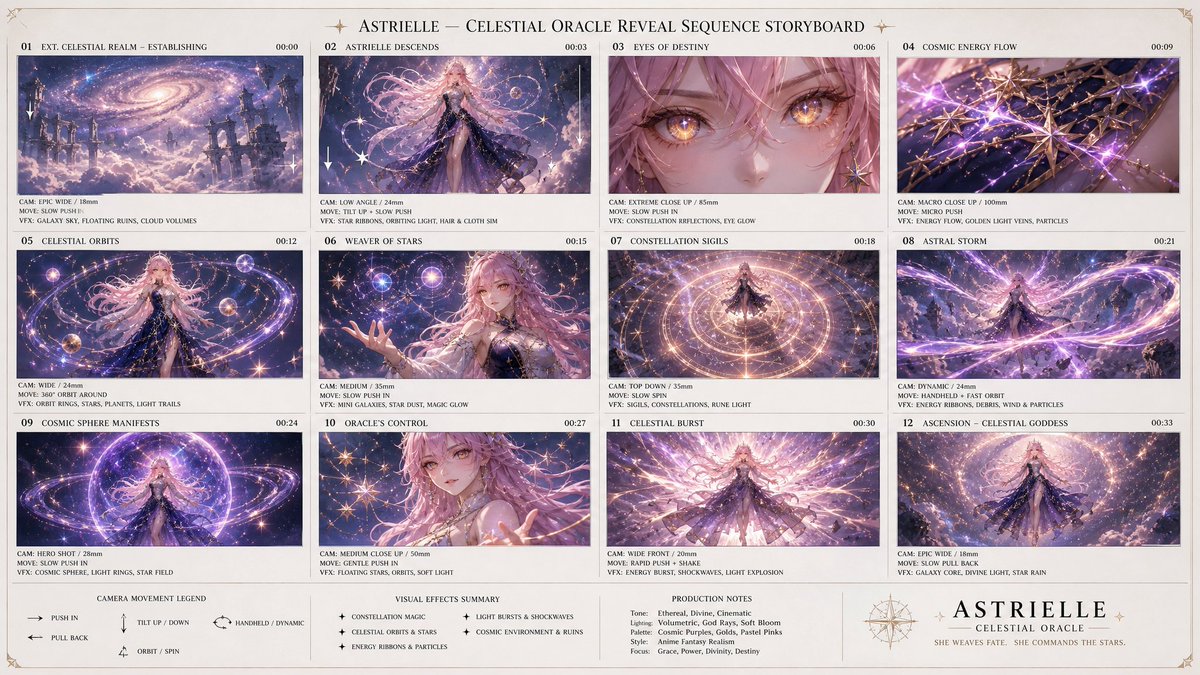
- Storyboards, mood boards, and concept art for client work
Where the real risk is
The risk almost never comes from "it's AI." It comes from what is depicted. Putting any of these into a prompt pulls third-party rights into your commercial image:
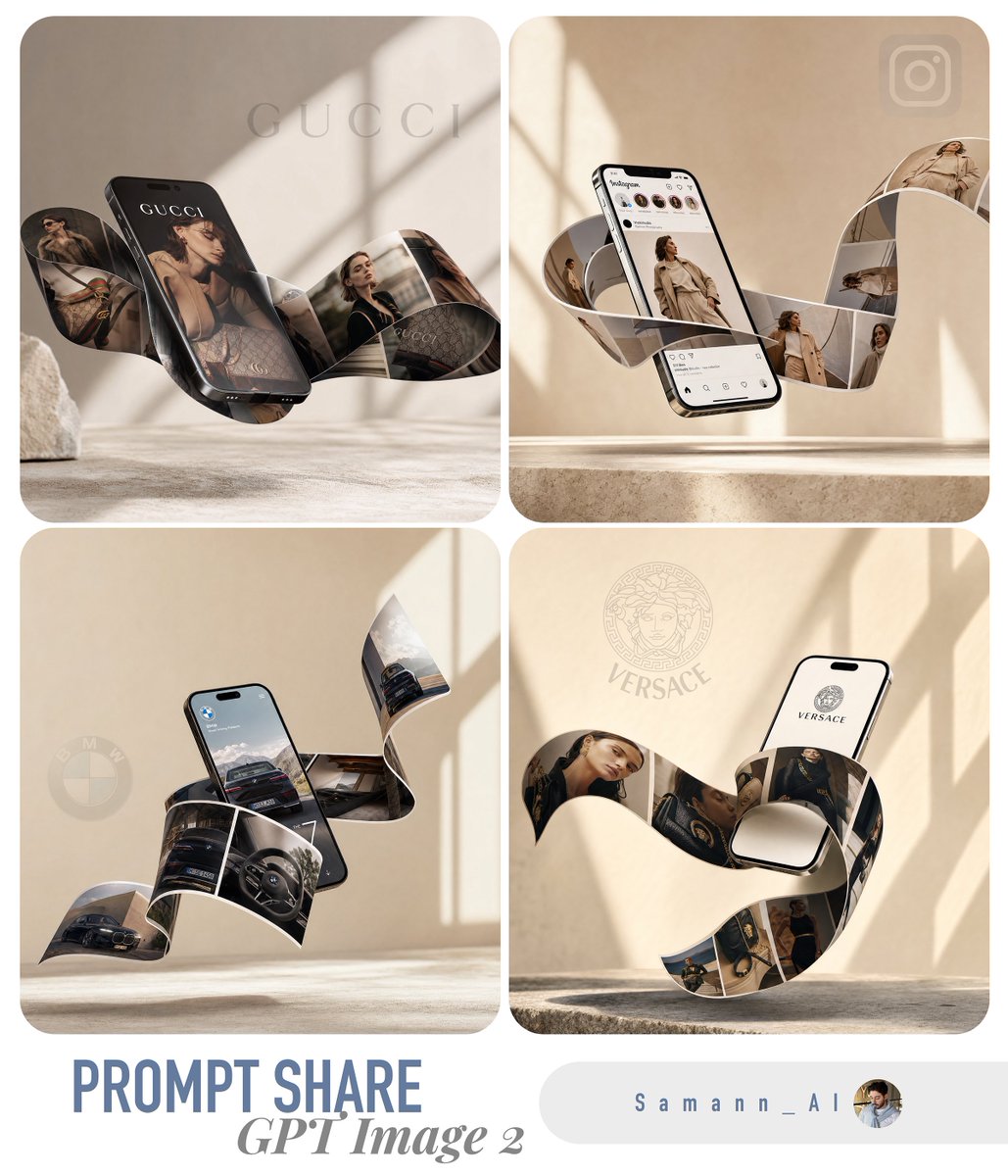
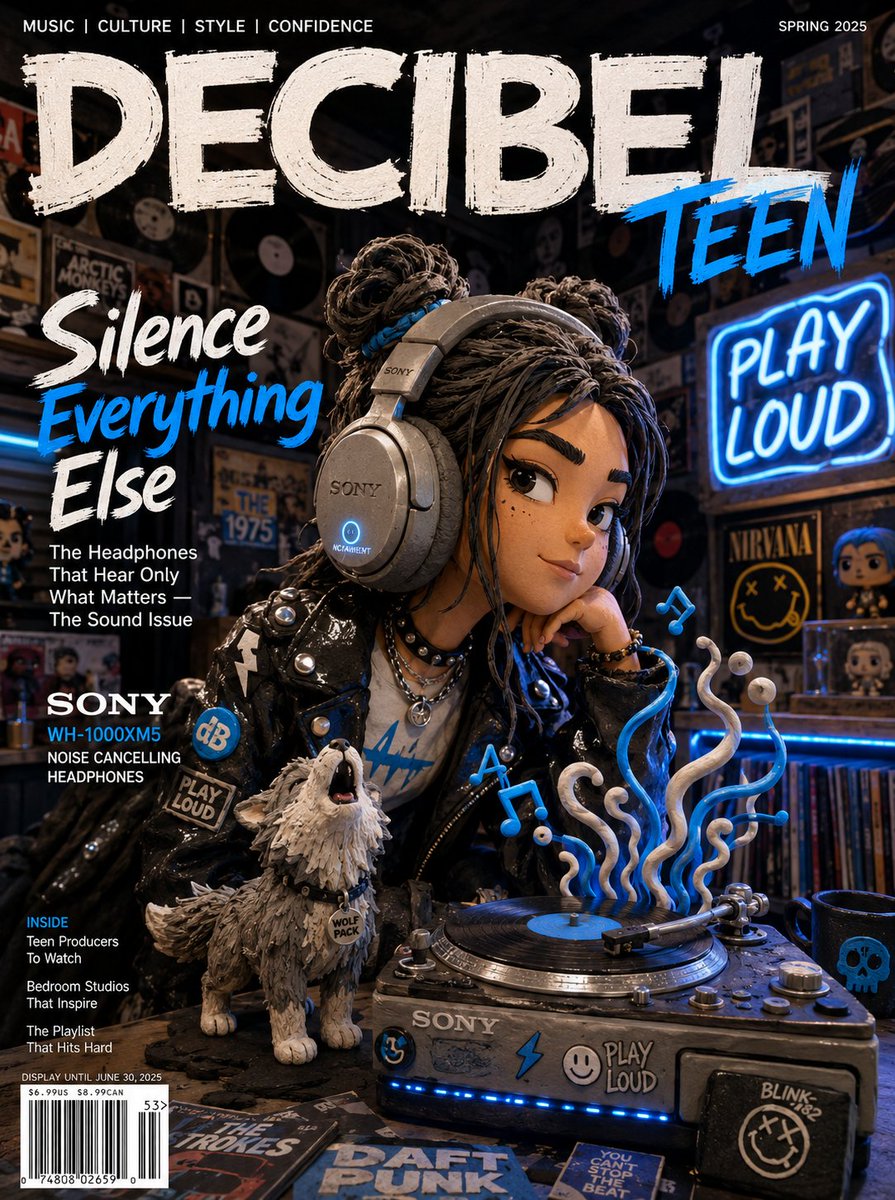
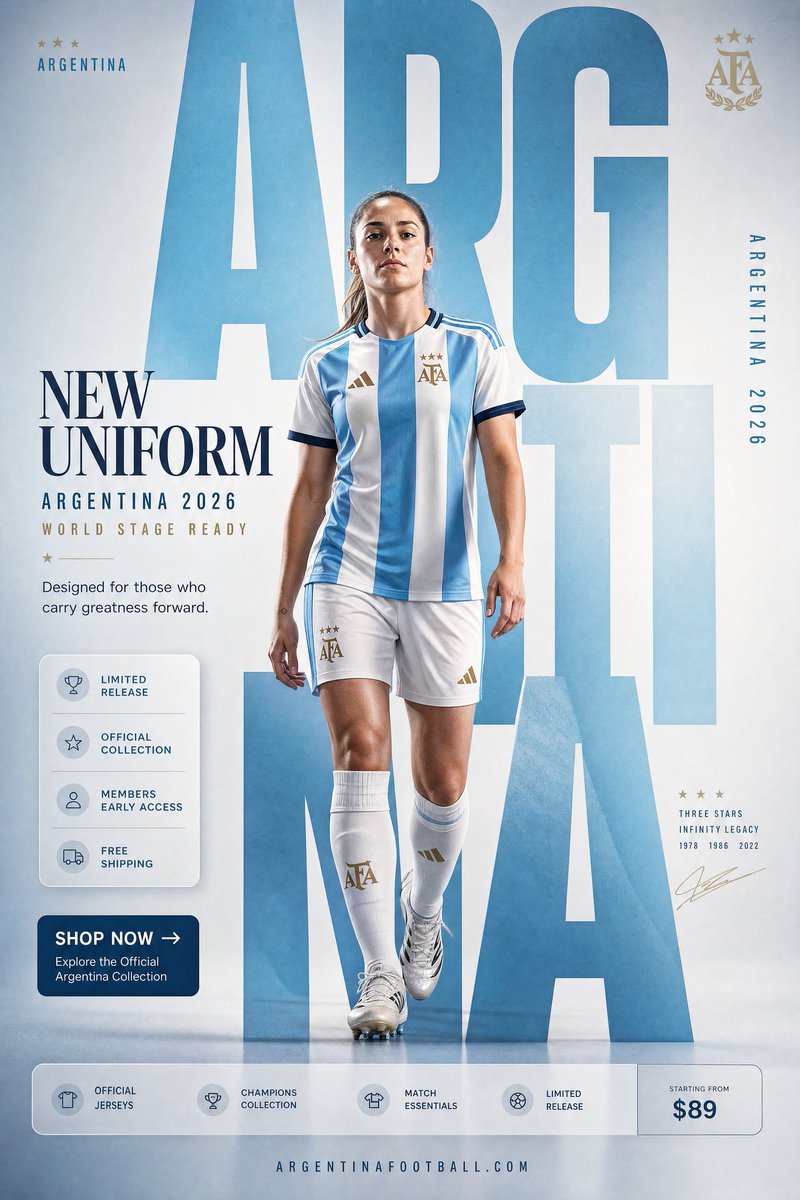
- Trademarks & logos — "a Nike shoe", "a Coca-Cola bottle". Selling images featuring real brand marks invites trademark claims regardless of how the image was made
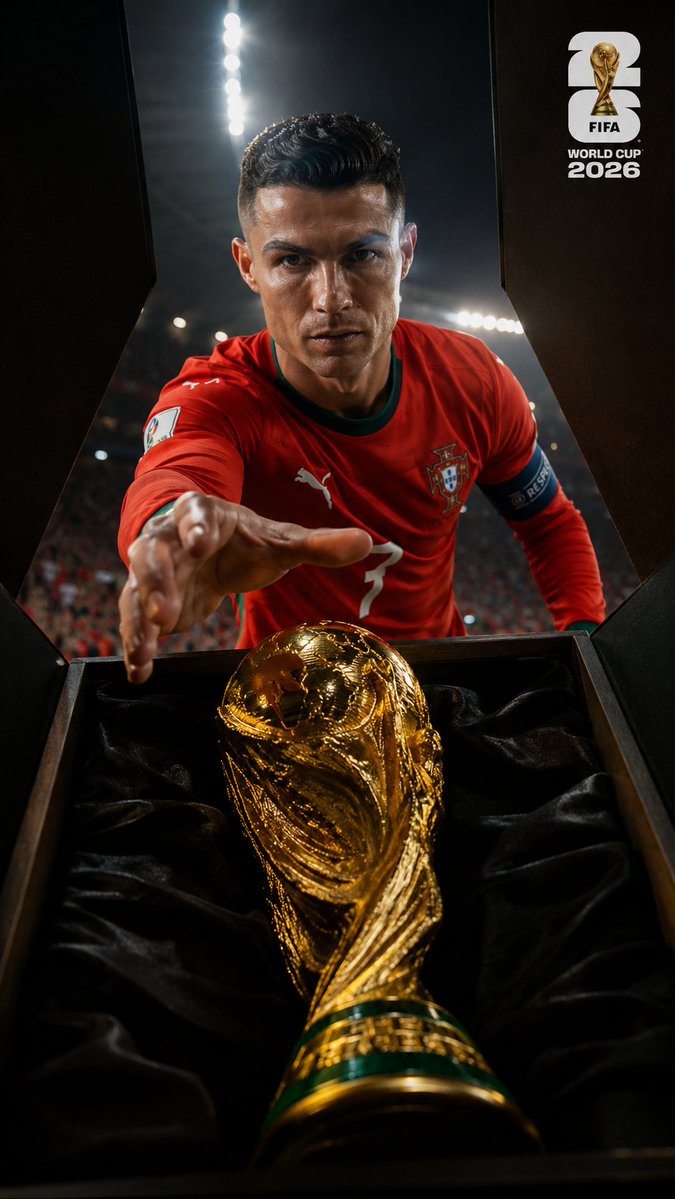
- Real people / celebrities — name-dropping a public figure or generating a recognizable likeness can violate right-of-publicity and personality rights
- Copyrighted characters — Pikachu, Mickey Mouse, named film characters. The model can draw them; you still can't sell them
- Copyrighted style 'in the style of [living artist]' — legally grey and reputationally risky for commercial work; prefer describing the aesthetic generically
- Identifiable private individuals — even non-celebrities have likeness rights in many jurisdictions
Rule of thumb: if removing a word from your prompt removes a real-world brand or person, remove it before you sell the result.
The platform layer everyone forgets
Even when your image is legally fine, the marketplace you sell on may have its own AI rules. These change often, so check current policy before listing at scale:
- Print-on-demand and stock platforms periodically restrict or require disclosure for AI-generated content
- Some marketplaces require you to attest you hold all rights — AI output with a hidden trademark fails that attestation
- App stores and ad networks may require disclosure of synthetic media in certain categories
- Microstock sites differ widely: some accept AI with metadata, some ban it — read the contributor terms, not the marketing page
Pre-publish checklist
- No real brand names, logos, or trademarked product shapes in the final image
- No recognizable real person unless you have explicit rights/consent
- No copyrighted characters or franchise elements
- Generic aesthetic descriptions instead of 'in the style of [named living artist]'
- Checked the destination platform's current AI-content policy
- Kept the prompt and generation record in case provenance is ever questioned
- For high-value use, had a human review for accidental marks (a logo the model invented that resembles a real one)
Bottom line
You own GPT Image 2 output and can build a business on it. The liability you carry is almost entirely about what you asked it to depict, plus the rules of wherever you sell. Keep prompts free of real brands and people, respect the platform layer, and the legal surface area stays small.
Try these GPT Image 2 prompts
Try these techniques now
Open the free GPT Image 2 generator and put this into practice — 20 free credits, no credit card.